The Second Act Nobody Saw Coming
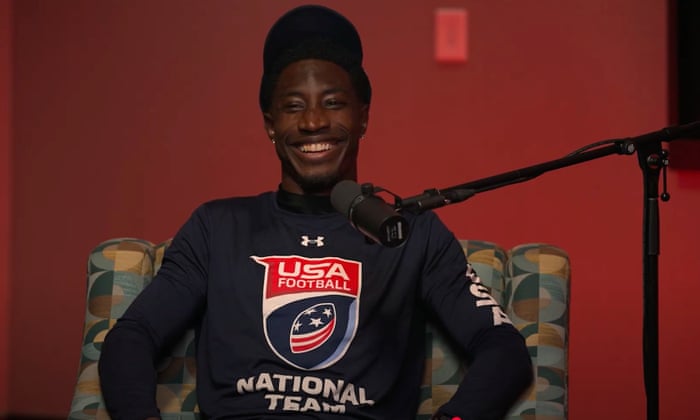
When Robert Griffin III burst onto the NFL scene in 2012, capturing the Offensive Rookie of the Year award and leading Washington to an NFC East title, few could have predicted his career trajectory would eventually lead to flag football and Olympic aspirations. Yet here we are in April 2026, with RG3 receiving an invitation to Team USA flag football training games as he sets his sights on both the 2026 world championships and the 2028 Los Angeles Olympics.
This isn't just a feel-good comeback story—it's a fascinating case study in how flag football's Olympic inclusion could fundamentally alter the relationship between traditional tackle football and its non-contact cousin.
Beyond the Comeback Narrative
Griffin's eight-season NFL career, which included stops with Washington, Cleveland, and Baltimore, was marked by flashes of brilliance overshadowed by injuries and inconsistency. His career completion percentage of 64.7% and 43 total touchdowns against 28 interceptions tell the story of unfulfilled potential in the traditional game.
But flag football presents an entirely different canvas. The sport emphasizes the very skills that made Griffin electric as a rookie: quick decision-making, precision passing, and mobility in the pocket. Without the threat of crushing hits that derailed his NFL trajectory, Griffin's athletic intelligence and arm talent could find new life on the international stage.
The Olympic Effect: A New Talent Pipeline
Flag football's inclusion in the 2028 Olympics represents more than just another medal opportunity—it's creating an unprecedented talent crossover between professional and amateur football. Griffin's pursuit highlights a broader trend that could reshape how we think about football careers.
Consider the implications: former NFL quarterbacks, receivers, and defensive backs suddenly have a pathway to Olympic glory that doesn't exist in tackle football. This creates a secondary market for football talent, potentially extending careers and providing new revenue streams for athletes whose NFL dreams have ended.
The timing couldn't be more perfect for American football's global expansion. While the NFL has struggled to establish a meaningful international footprint despite years of London games and European initiatives, flag football offers a more accessible entry point for global audiences.
The Skills Translation Debate
Critics might argue that flag football success doesn't validate NFL careers or vice versa. They're missing the point entirely. Griffin's transition illuminates how different football formats reward different skill sets. The quick-twitch movements required to pull flags, the premium on route-running precision, and the emphasis on field vision over physical dominance create a unique competitive environment.
Analyzing Griffin's college tape from Baylor reveals why he might excel in this format. His 2011 Heisman season showcased exceptional accuracy on intermediate routes and an innate ability to extend plays with his legs—skills that translate directly to flag football's faster-paced, space-oriented game.
College Football's Recruiting Revolution
The ripple effects extend beyond former professionals. College programs are already adapting their recruiting strategies to account for flag football's Olympic status. The recent news of Minnesota adding multiple four-star tight ends to their 2027 recruiting class reflects a broader trend toward position versatility that flag football demands.
Recruiting coordinators now must evaluate prospects not just for traditional college success, but for their potential in alternative football formats. This multi-dimensional evaluation process could identify previously overlooked talent and create new scholarship opportunities.
The International Wild Card
While American players like Griffin bring NFL pedigree to flag football, international competition shouldn't be underestimated. Countries with strong rugby, Australian rules football, or even soccer backgrounds possess athletes with the speed, agility, and strategic thinking that flag football rewards.
The 2026 world championships will serve as a crucial measuring stick for American dominance in a sport we invented but haven't necessarily perfected on the international stage.
Looking Forward: The 2028 Vision
Griffin's Olympic pursuit represents something larger than individual redemption—it's a preview of football's evolving ecosystem. By 2028, we might see former college stars choosing flag football specialization over NFL draft preparation, international players using flag football as a gateway to American college scholarships, and youth programs developing dual-track systems for both tackle and flag variants.
The Los Angeles Olympics will mark flag football's global debut, but Griffin's journey suggests the sport's impact on American football culture has already begun. Whether he captures gold or not, his willingness to chase Olympic glory at this stage of his career signals a fundamental shift in how football talent can be monetized, celebrated, and sustained beyond the traditional professional pathways.
In a sport obsessed with second chances, Griffin might have found the ultimate mulligan—not in the NFL, but on the Olympic stage where football's future is being written one flag pull at a time.
Article Stats
50
Trend Score
3
Views
NFL