














































The End of an Era: When Loyalty Meets Business Reality
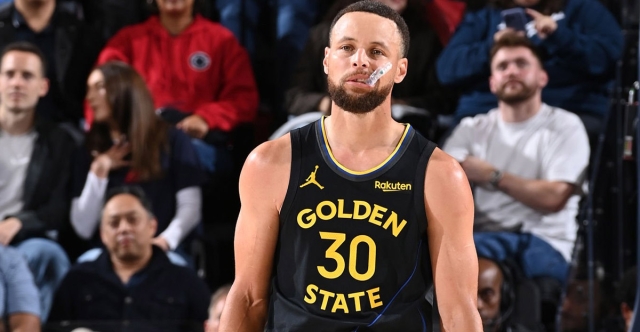
When Stephen Curry began auctioning off his historic Golden State Warriors and Under Armour sneakers this week, it wasn't just a simple merchandise sale—it was the symbolic closing of one of the NBA's most transformative brand partnerships. The fact that Curry is parting ways with Under Armour after over a decade together represents a seismic shift in how basketball's elite approach endorsement deals in the modern era.
The auction itself tells a fascinating story. These aren't just shoes; they're artifacts from a partnership that helped elevate Under Armour from a football-focused brand to a legitimate basketball contender. Each pair represents moments when Curry defied expectations—from his early Warriors struggles to becoming a two-time MVP and championship winner. The willingness to part with these items suggests this isn't a temporary hiatus but a definitive break.
The Under Armour Experiment: A Case Study in Risk and Reward
Curry's relationship with Under Armour began when he was still considered an undersized point guard with ankle problems. Nike famously mispronounced his name during their pitch meeting, while Under Armour offered him equity and the promise of building something special together. It was a calculated gamble that paid dividends for both parties—until now.
The partnership coincided with Curry's transformation into one of basketball's most revolutionary players. His three-point shooting didn't just break records; it fundamentally altered how the game is played at every level. Under Armour rode this wave, with Curry signature shoes becoming cultural symbols that transcended basketball courts.
However, the brand landscape in 2026 looks dramatically different than it did in 2013. Nike has reasserted its dominance through strategic partnerships with emerging stars, while newer players like Puma and even direct-to-consumer brands have carved out significant market share. Under Armour's basketball division has struggled to maintain momentum beyond Curry, failing to sign other marquee NBA talents who could carry the brand forward.
The Moses Moody Factor: Warriors' Youth Movement
Interestingly, Curry's brand departure comes as the Warriors are clearly investing in their next generation of talent. Moses Moody's recent return from injury, marked by a standing ovation from Warriors faithful at Chase Center, symbolizes the franchise's commitment to developing young players who can eventually shoulder the burden Curry has carried for over a decade.
Moody's reception speaks to something deeper about Warriors culture—the organization has successfully created an environment where even role players can become fan favorites. This suggests that while Curry's individual brand partnerships may be evolving, the Warriors' institutional strength remains intact. The franchise has proven it can develop talent and maintain relevance even as its core ages.
The Broader NBA Brand Revolution
Curry's departure from Under Armour reflects broader trends reshaping NBA endorsement deals. Today's stars are increasingly viewing themselves as entrepreneurs rather than simply brand ambassadors. They want equity, creative control, and the ability to build generational wealth through their partnerships. The traditional model of accepting large guaranteed payments in exchange for exclusive rights is becoming obsolete.
Look at how players like LeBron James have structured lifetime deals with Nike that include business partnerships and investment opportunities. Or consider how emerging stars are negotiating shorter-term deals that allow for more flexibility as their market value fluctuates. Curry's move suggests he's positioning himself for a partnership that offers more than just monetary compensation.
The timing also coincides with significant changes in basketball consumption patterns. Social media has democratized athlete marketing, allowing players to build direct relationships with fans without relying solely on traditional advertising campaigns. This shift gives stars more leverage in negotiations and makes brand loyalty less critical than it once was.
What This Means for Under Armour's Basketball Future
Losing Curry represents an existential crisis for Under Armour's basketball division. The brand never successfully diversified its NBA portfolio, remaining overly dependent on one player's success and marketability. While football and other sports have provided stability, basketball was supposed to be their growth engine in international markets.
The company now faces a critical decision: double down on basketball by pursuing other established stars, or pivot resources toward emerging sports and fitness categories where competition might be less intense. Given the astronomical costs of competing with Nike and Adidas for top-tier NBA talent, the latter strategy might prove more sustainable.
The Next Chapter: Predicting Curry's Landing Spot
Where Curry lands next will reveal much about his post-playing career ambitions. If he signs with Nike, it suggests a focus on maximizing immediate financial returns and global reach. A move to a newer brand like Puma or Anta could indicate interest in building something revolutionary again. Most intriguingly, Curry could launch his own brand, following the path blazed by Michael Jordan decades ago.
Given Curry's tech-savvy background and Silicon Valley connections, don't be surprised if his next partnership involves significant digital innovation or direct-to-consumer elements. The auction of his Under Armour memorabilia might be generating capital and clearing space for something entirely different.
The Verdict: Evolution, Not Decline
Curry's Under Armour exit shouldn't be viewed as the end of anything—it's the beginning of basketball's next brand evolution. As the NBA continues globalizing and younger players enter the league with different expectations about corporate partnerships, traditional endorsement models will continue fragmenting.
For Warriors fans watching Moody receive standing ovations and seeing their franchise invest in the future, Curry's brand decisions are secondary to on-court success. But for the broader basketball industry, this move signals that even the most successful partnerships have expiration dates when business realities shift.
The real question isn't where Curry goes next—it's whether Under Armour can survive in basketball without him, and whether other NBA stars will follow his lead in prioritizing flexibility over loyalty in their endorsement strategies.
Article Stats
50
Trend Score
4
Views
Basketball