The Rich Get Richer: How Arsenal's Win Crystallizes European Football's Inequality
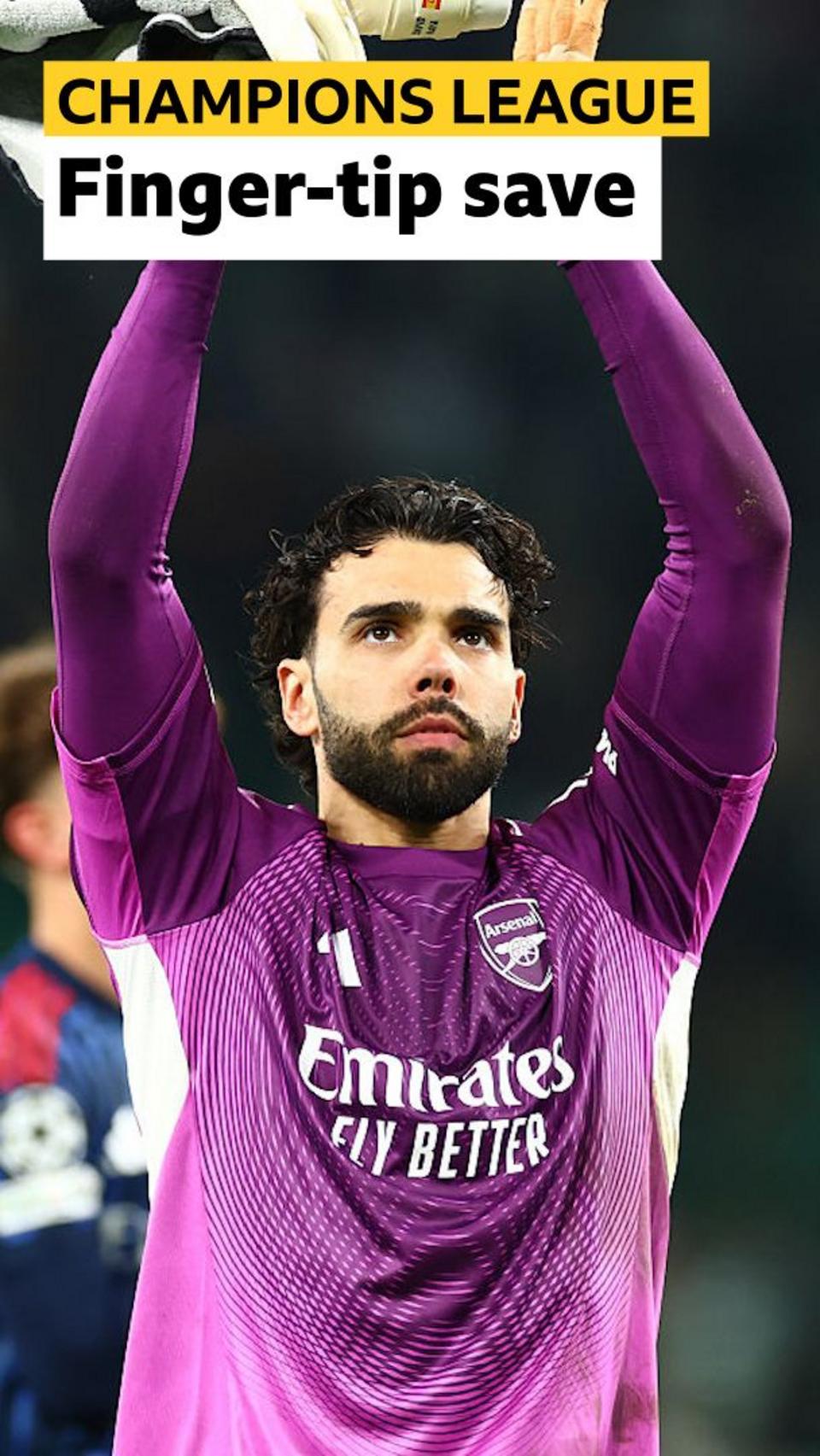
When Arsenal secured their 1-0 victory over Sporting CP in the Champions League quarter-final first leg, they didn't just advance their own European ambitions—they guaranteed the Premier League a fifth Champions League spot for next season. This seemingly routine result has exposed a fundamental flaw in UEFA's coefficient system that is systematically widening the gap between Europe's elite leagues and the rest of the continent.
The mechanics are straightforward: UEFA awards additional Champions League places based on collective league performance in European competitions. The Premier League's dominance across multiple tournaments—with English clubs consistently reaching latter stages—has now earned them an extra seat at European football's top table. But this creates a self-reinforcing cycle that threatens the competitive balance UEFA claims to protect.
The Coefficient Trap: Success Breeds More Success
UEFA's coefficient system, designed to reward merit, has become a mechanism for entrenching existing hierarchies. When leagues like the Premier League earn additional Champions League spots, they don't just get more representation—they get more revenue, more exposure, and more opportunities to strengthen their global appeal.
Consider the mathematics: an additional Champions League place means roughly €15-20 million in guaranteed revenue for the qualifying club, before accounting for performance bonuses, broadcast distributions, and commercial opportunities. This isn't just prize money—it's investment capital that flows directly back into squad building, infrastructure, and youth development.
Meanwhile, leagues that lose out on these opportunities find themselves increasingly unable to compete. Portuguese clubs like Sporting CP, despite their rich histories and passionate fanbases, face an uphill battle against opponents whose domestic leagues generate exponentially more revenue. The gap isn't just about individual club quality—it's about systemic resource allocation.
Manchester City's Succession Planning: A Microcosm of Premier League Power
The news that Manchester City are already identifying potential replacements for Pep Guardiola—with Andoni Iraola among the candidates being admired—illustrates another dimension of Premier League dominance. The league has become so attractive that even mid-table managers are viewed as potential successors to one of football's greatest coaches.
Iraola's emergence as a candidate reflects the Premier League's ability to identify and develop tactical innovation across its entire ecosystem. The Bournemouth manager's progressive approach and ability to maximize limited resources has caught the attention of City's hierarchy, suggesting that the league's depth of coaching talent extends far beyond its traditional powerhouses.
This talent circulation within the Premier League—where successful ideas and personnel move between clubs—creates a competitive advantage that extends beyond individual teams. The league benefits from collective tactical evolution, with innovations spreading rapidly between clubs and raising the overall standard of play.
The Broader Implications: European Football's Structural Imbalance
The Premier League's fifth Champions League spot represents more than just an additional opportunity—it's a symbol of how European football's governance structures inadvertently accelerate inequality. While UEFA's stated goal is to maintain competitive balance, their coefficient system effectively rewards existing success with future advantages.
This dynamic is particularly problematic given the Premier League's already substantial financial advantages. English clubs benefit from the world's most lucrative domestic broadcasting deals, global commercial appeal, and a favorable regulatory environment. Adding more Champions League spots to this mix doesn't level the playing field—it tilts it further.
The ripple effects extend beyond the Premier League itself. When English clubs dominate European competitions, they increase the league's coefficient, which secures more spots for future seasons. This creates a feedback loop where success generates the resources necessary for continued success, while other leagues find themselves increasingly marginalized.
The Sporting Meritocracy Myth
Defenders of the current system argue that additional Champions League spots are earned through sporting merit—and they're not wrong. Premier League clubs have consistently performed at the highest level in European competition, justifying their increased representation through results on the pitch.
However, this perspective ignores the structural advantages that enable such performance. When Premier League clubs can outspend their European rivals by factors of three or four, their superior results reflect resource disparities as much as sporting excellence. The coefficient system then rewards these resource-driven successes with additional opportunities, creating a cycle that becomes increasingly difficult for other leagues to break.
Looking Forward: The Need for Structural Reform
As the Premier League prepares to send five clubs to next season's Champions League, European football faces a critical juncture. The current trajectory suggests continued consolidation of power among a small group of elite leagues, with the Premier League leading the charge.
UEFA must grapple with whether their competition formats serve the broader interests of European football or merely accelerate existing inequalities. The coefficient system, while rewarding excellence, may need fundamental reform to prevent the Champions League from becoming an increasingly closed shop dominated by clubs from the same handful of leagues.
The Premier League's fifth Champions League spot is both a reward for excellence and a warning sign for European football's future. Without structural changes to address these systemic imbalances, we may be witnessing the gradual transformation of continental competition from a meritocratic tournament into a predetermined showcase for the sport's financial elite.
Article Stats
80
Trend Score
7
Views
Football